Optimize PDF
Reduce PDF file size with advanced optimization.
Your file is ready. Click download to save the output.
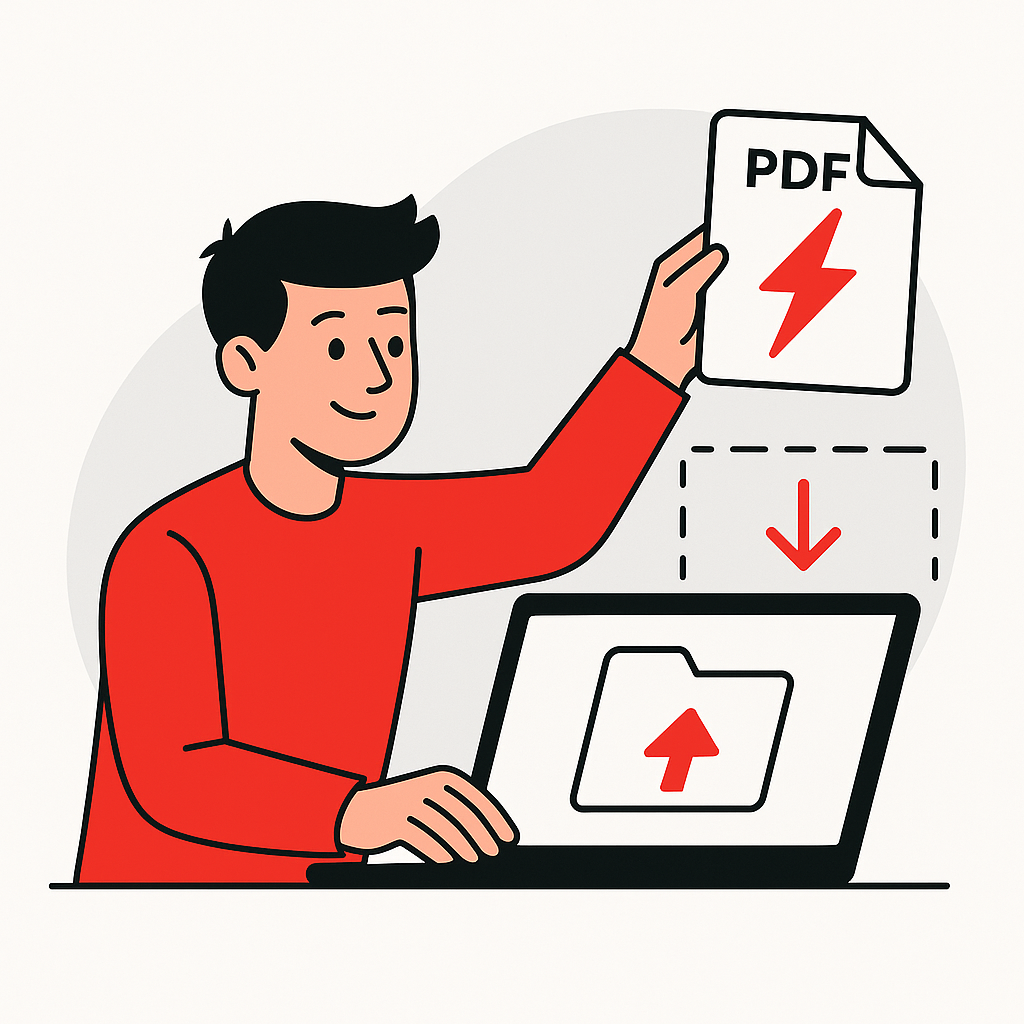
How to Optimize PDF in 4 Steps
Reduce PDF file size while maintaining quality.
1
Upload PDF
Select your PDF file.
2
Choose Settings
Optimization is automatic.
3
Process
We optimize the file instantly.
4
Download
Save your optimized PDF.
FAQ
Common questions about optimizing PDFs.
Reduction varies by PDF, typically 20-70% depending on content.
Text and layout remain unchanged; images are compressed intelligently.
Best results with image-heavy or scanned PDFs.
Maximum input file size is 50MB.
About PDF Optimization
What is PDF Optimization?
PDF optimization improves file structure and efficiency without reducing quality. It removes redundant data, optimizes embedded fonts and images, and reorganizes content for faster loading and smaller file sizes.
Benefits of Optimization
- Faster Loading: Streamlined structure loads quicker in readers
- Smaller Size: Remove duplicates and compress resources
- Web-Optimized: Linearization for progressive loading
- Maintain Quality: No visual degradation
Optimization Techniques
Advanced methods for better performance:
- Font Optimization: Subset fonts to include only used characters
- Resource Deduplication: Remove identical embedded objects
- Linearization: Enable fast web view for browsers
- Stream Compression: Compress data streams efficiently
When to Optimize
Optimize PDFs before web publishing, email distribution, or archiving. Ideal for documents with many fonts, embedded images, or created by combining multiple sources.
Frequently Asked Questions
Optimize focuses on file structure improvements, removing redundant data, and optimizing fonts and images for faster loading. Compress primarily reduces file size through compression algorithms.
No, optimization maintains visual quality while improving file efficiency. It removes duplicate resources, optimizes fonts, and streamlines the PDF structure without degrading content.
Typical size reduction ranges from 10-40%, depending on the original PDF structure. PDFs with many embedded fonts or duplicate resources see the most improvement.
Yes! Optimized PDFs load faster in browsers and PDF readers because of improved file structure and linearization for web viewing.
Password-protected PDFs must be unlocked first using our Unlock PDF tool before optimization can be performed.
Linearization (also called Fast Web View) reorganizes PDF data so pages can load progressively in web browsers, allowing users to view the first page before the entire file downloads.